
-
Middle Beyond Extremes, the Madhyāntavibhāga
 Middle Beyond Extremes The Madhyāntavibhāga Learn More The fourth in a series of articles about the Five Maitreya Texts, a cornerstone in the Mahayana view in the Tibetan tradition. The Middle Beyond Extremes, the Madhyāntavibhāga, is generally the thirdof the texts ennumerated in the list. A Series of Articles on The Five Maitreya Texts Essential
 -
The Ornament of Clear Realization, the Abhisamayālaṃkāra
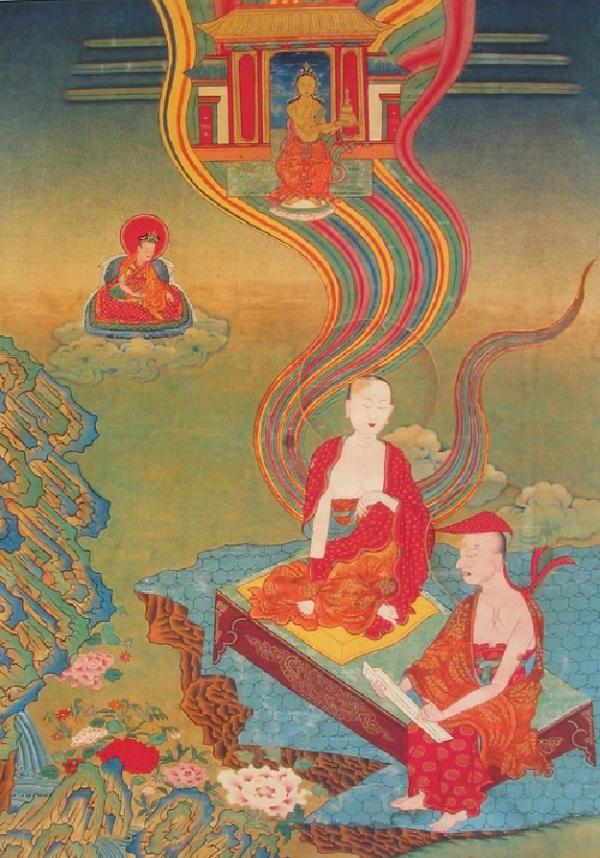 Ornament of Clear Realization: The Abhisamayālaṃkāra Learn More The seincd in a series of articles about the Five Maitreya Texts, a cornerstone in the Mahayana view in the Tibetan tradition. The Abhisamayālaṃkāra is generally the first of the texts ennumerated in the list. A Series of Articles on The Five Maitreya Texts Essential Texts in
 -
The Ornament of the Mahayana Sutras: The Mahāyānasūtrālaṃkāra
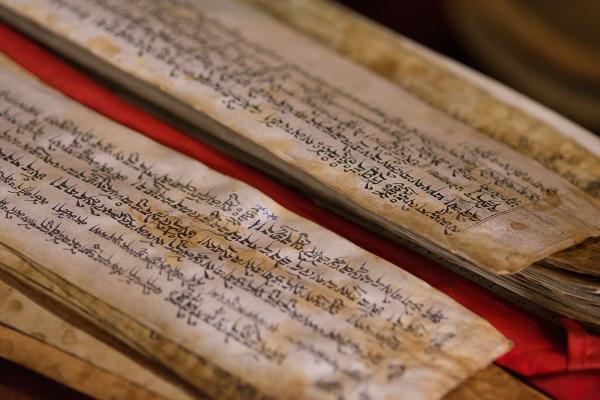 The Ornament of the Mahayana Sutras The Mahāyānasūtrālaṃkāra Learn More The seincd in a series of articles about the Five Maitreya Texts, a cornerstone in the Mahayana view in the Tibetan tradition. The Abhisamayālaṃkāra is generally the first of the texts ennumerated in the list. A Series of Articles on The Five Maitreya Texts Essential
 -
The Distinction Between Phenomena and Their Nature, the Dharmadharmatāvibhāga
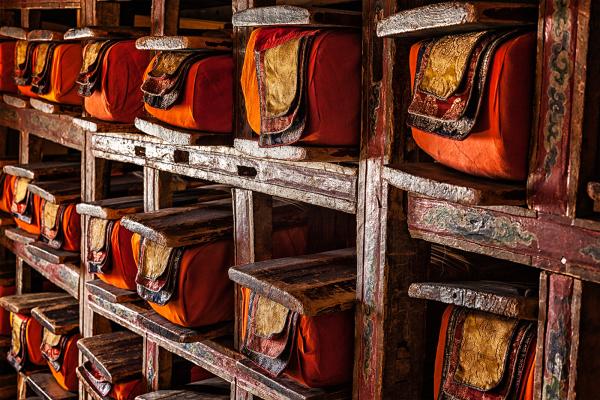 Distinguishing Between Phenomena and Their Nature The Dharmadharmatāvibhāga Learn More The fourth in a series of articles about the Five Maitreya Texts, a cornerstone in the Mahayana view in the Tibetan tradition. The Middle Beyond Extremes, the Madhyāntavibhāga, is generally the thirdof the texts ennumerated in the list. A Series of Articles on The Five
 -
Treatise on the Sublime Continuum, the Uttaratantra
 Treatise on the Sublime Continuum The Uttaratantra Learn More The fourth in a series of articles about the Five Maitreya Texts, a cornerstone in the Mahayana view in the Tibetan tradition. The Middle Beyond Extremes, the Madhyāntavibhāga, is generally the thirdof the texts ennumerated in the list. A Series of Articles on The Five Maitreya
 -
A Reader's Guide to Shantideva and the Way of the Bodhisattva
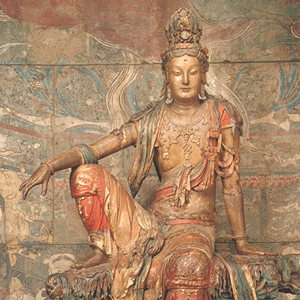 Shantideva and The Way of the Bodhisattva Learn More A Reader's Guide to the Essential Work on the Bodhisattva Path A Reader's Guide to the Way of the Bodhisattva See Also: Profiles of early Indian Mahayana figures | Tibetan Masters of the 8th Century | Tibetan Masters of the 10th-11th Centuries Nagarjuna | Aryadeva | Asanga | Shantideva | Xuanzang | The Seventeen Pandits of Nalanda The great nineteenth-century
 -
The Seven Line Prayer of Guru Rinpoche: A Reader's Guide
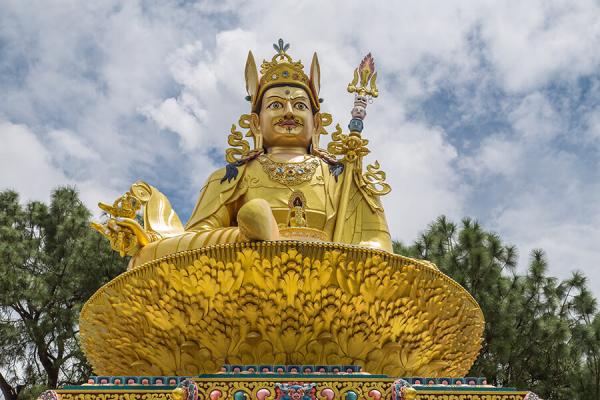 The Seven-Line prayer to Guru Rinpoche, Padmasambhava, is one of the most ubiquitous and important prayers, performed across lineages and in particular the Nyingma tradition who commence nearly every practice with it. What follows is a brief introduction and Reader’s Guide to this short but extremely profound verse. The Padmakra Translation Group has provided some
 -
Kalu Rinpoche on "The Treasury of Knowledge" Translation
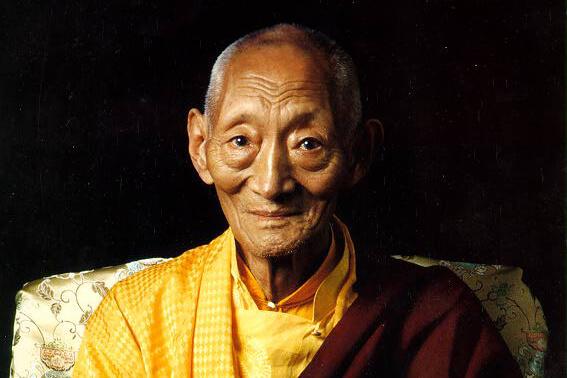 Kalu Rinpoche and the Translation of The Treasury of Knowledge Below Sarah Harding shares the story of how Kalu Rinpoche came to take on the task of translating Jamgon Kongtrul Lodro Taye's The Treasury of Knowledge, an immense feat that took the skills and dedication of many that will be treasured by all who are
 -
A Readers Guide to the Sakya Master Chogyal Phagpa
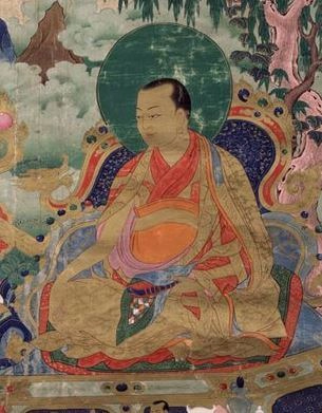 Related Reader's Guides Guide to the Sakya Tradition Guides to Other Important Sakya Figures: Sakya Pandita | Sakyasribhadra Drogön Chögyal Phagpa Lodrö Gyaltsten (1235-1280) Drogon Chogyal Phagpa Lodro Gyaltsen (1235-1280), better known to the world as Chögyal Phagpa (or Phakpa) is one of the five great founding masters from the Sakya tradition in Tibet. In
 -
The Drikung Kagyu: A Reader's Guide
 What follows is a guide to some of our books and other resources available on Shambhala.com that relate to the Drikung Kagyu tradition of Tibetan Buddhism. The Drikung lineage comes from Marpa, Milarepa, and Gampopa through Phagmo Drupa and Jigten Sumgön, who is considered the root of the tradition. His most famous work, the Gongchik, or “Single


