
-
Middle Beyond Extremes, the Madhyāntavibhāga
 Middle Beyond Extremes The Madhyāntavibhāga Learn More The fourth in a series of articles about the Five Maitreya Texts, a cornerstone in the Mahayana view in the Tibetan tradition. The Middle Beyond Extremes, the Madhyāntavibhāga, is generally the thirdof the texts ennumerated in the list. A Series of Articles on The Five Maitreya Texts Essential
 -
The Five Maitreya Texts - A Guide for Readers
 The Five Maitreya Texts Learn More The first in a series of articles about the Five Maitreya Texts, a cornerstone in the Mahayana view in the Tibetan tradition. A Series of Articles on The Five Maitreya Texts Essential Texts in of the Mahayana in the Tibetan Tradition Overview of the Five Maitreya Texts
 -
The Ornament of the Mahayana Sutras: The Mahāyānasūtrālaṃkāra
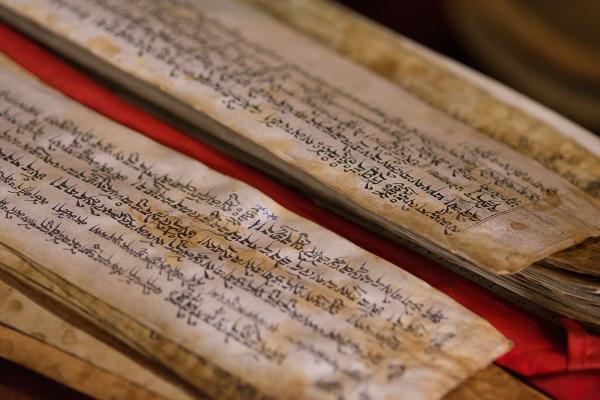 The Ornament of the Mahayana Sutras The Mahāyānasūtrālaṃkāra Learn More The seincd in a series of articles about the Five Maitreya Texts, a cornerstone in the Mahayana view in the Tibetan tradition. The Abhisamayālaṃkāra is generally the first of the texts ennumerated in the list. A Series of Articles on The Five Maitreya Texts Essential
 -
The Distinction Between Phenomena and Their Nature, the Dharmadharmatāvibhāga
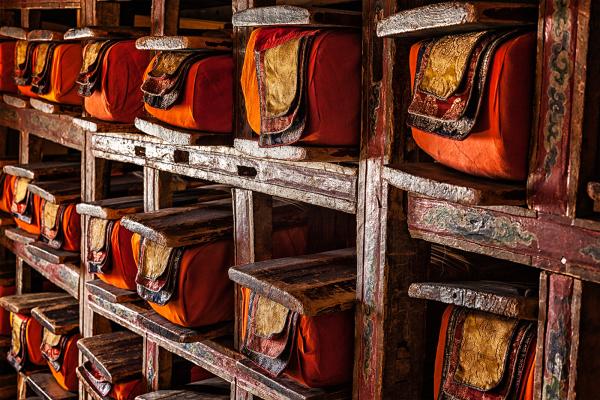 Distinguishing Between Phenomena and Their Nature The Dharmadharmatāvibhāga Learn More The fourth in a series of articles about the Five Maitreya Texts, a cornerstone in the Mahayana view in the Tibetan tradition. The Middle Beyond Extremes, the Madhyāntavibhāga, is generally the thirdof the texts ennumerated in the list. A Series of Articles on The Five
 -
Asanga and Yogacara: A Guide for Readers
 Asanga and Yogacara Learn More A Reader's Guide to the great 4th century Indian master, Asanga. Asanga and Yogacara: A Guide for Readers See Also: Profiles of early Indian Mahayana figures | Tibetan Masters of the 8th Century | Tibetan Masters of the 10th-11th Centuries Nagarjuna | Aryadeva | Asanga | Shantideva | Xuanzang |
 -
Patrul Rinpoche: A Reader's Guide
 Patrul Rinpoche See Our Reader's Guide Patrul Rinpoche (1808–1887) was one of the greatest Tibetan teachers of the nineteenth century. Famous for his precise and direct style, he shunned high monastic office and lived the life of a homeless wanderer, writing his book in a rustic hermitage under an overhanging rock. Praise to Patrul Rinpoche
 -
Jigme Lingpa: A Guide to His Works
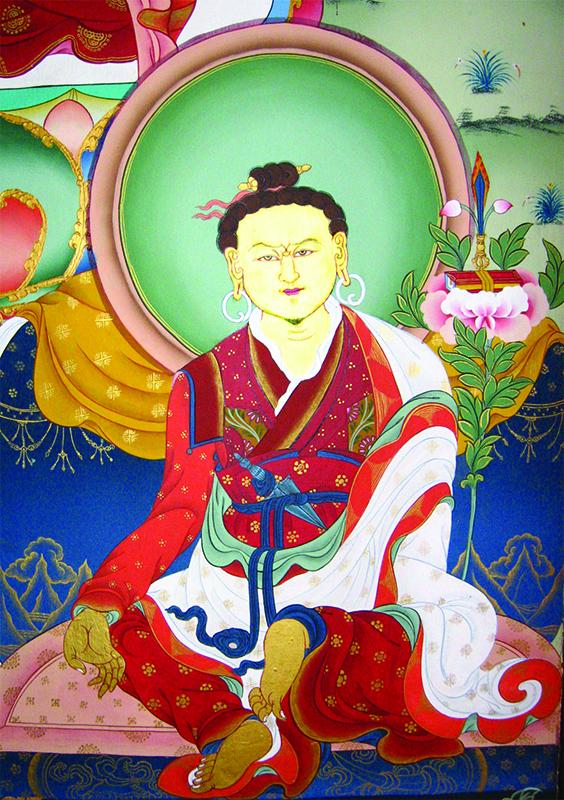 Jigme Lingpa A Guide to His Works Learn More A guide to the works available in English from Jigme Lingpa, the founder of the Longchen Nyintik tradition and a central figure in the Nyingma school of Tibetan Buddhism. See Also: Some Nyingma Lineages: Dudjom Tersar | Longchen Nyingtig | Namcho & Palyul Guides to Other
 -
The Thirteen Core Indian Buddhist Texts: A Reader's Guide
 Khenpo Shenga (1871–1927) There are thirteen classics of Indian Mahayana philosophy, still used in Tibetan centers of education throughout Asia and beyond, particularly the Nyngma tradition, with overlap with the others. They cover the subjects of vinaya, abhidharma, Yogacara, Madhyamika, and the path of the Bodhisattva. They are some of the most frequently quoted texts
 -
Translating the Maitreya Treatises: An Interview with Thomas Doctor
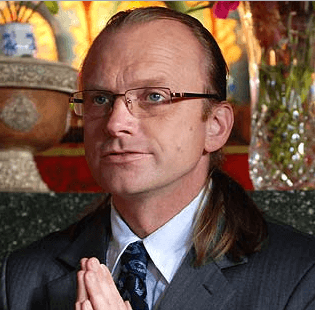 We recently interviewed Thomas Doctor, a translator on the Dharmachakra Translation Committee, about the importance of their recent translations of the Maitreya texts and commentaries. Shambhala Publications: The Dharmachakra Translation Committee has now published two of the five Maitreya texts, with a third on the way soon. Can you give a brief overview of why


