
-
Ngöndro: A Reader's Guide to the Preliminary Practices of Tibetan Buddhism
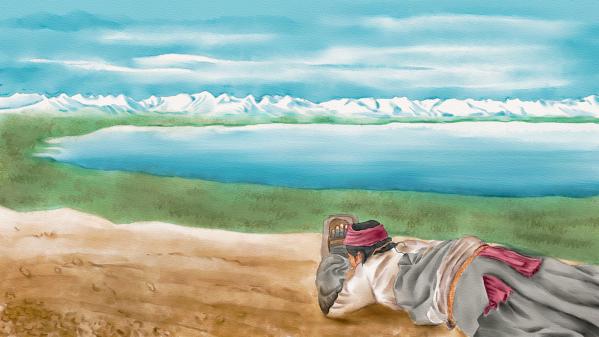 Ngöndro Read More A Guide to the Preliminary Practices of Tibetan Buddhism A Series of Articles on Ngöndro The Preliminary Practices of Tibetan Buddhism Introduction The Elements of Ngondro 3. The Nyingma Traditiona Longchen Nyingtik Dudjom Tersar More Nyingma Ngöndros 4. The Kagyu Tradition 5. The Sakya, Gelug, and Bön Traditions 6. Supporting Materials Tibetan
 -
Ngöndro in the Sakya, Gelug, and Bön Traditions (7/8)
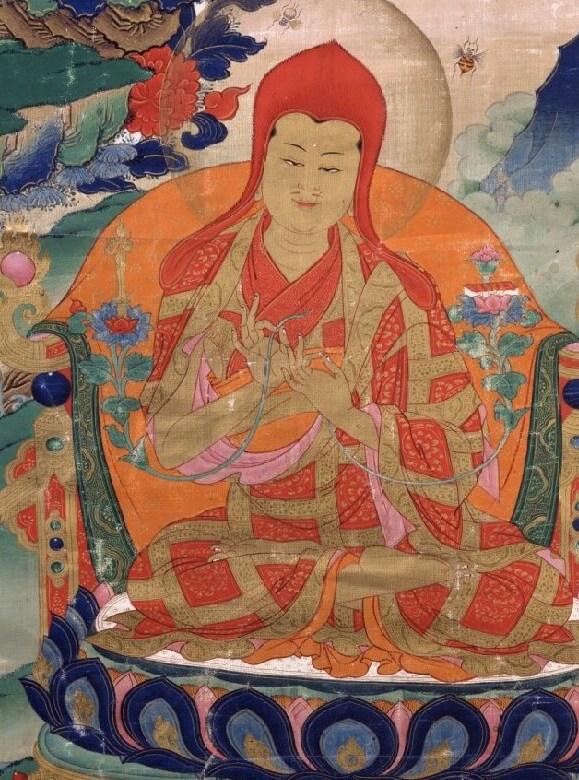 Ngøndro Traditions of the Gelug, Sakya, and Bön Learn More Stemming from the Kadampa school of Atisha, the Gelug school was founded by Je Tsongkhapa in the 14th century. Traditionally, the Gelug school is headed by the Dalai Lama. Today, therefore, it is led by Tenzin Gyatso, H.H the 14th Dalai Lama. A Series of
 -
Remembering Yongdzin Lopon Tenzin Namdak
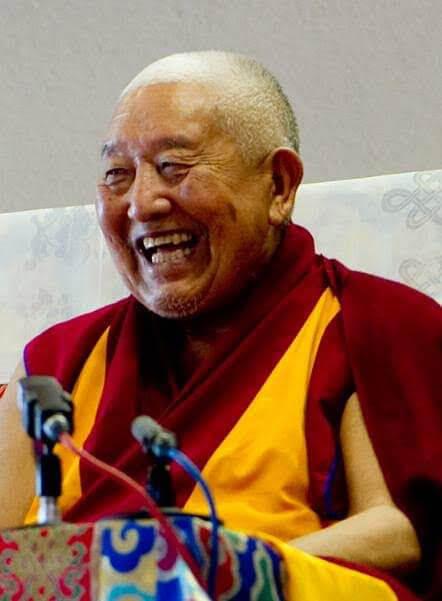 Remembering Lopön Tenzin Namdak Rinpoche It is with deep sadness that we share the passing of the great Bön teacher, Yongdzin Lopon Tenzin Namdak. The great Bon teacher Lopon Tenzin Namdak passed away at 100 years old on June 12, 2025. See also the article from Buddhist Door. Below you will find several books he
 -
Chöd: A Guide for Readers
 Chöd: A Guide for Readers Machig Labdron, The Tibetan Yogini, 19th century Chöd, often pronounced "chö," is a meditative practice found in both the Buddhist and Bön traditions of Tibet. Chöd, translated literally as "cutting through," incorporates chanting, music, and visualization aimed as cutting through hindrances and obscurations that cloud ultimate wisdom and understanding of
 -
The Anatomy of a Common Tibetan Ritual | An Excerpt from Indestructible Truth
 The Anatomy of a Common Tibetan Ritual: The Lhasang The lhasang—literally ‘‘higher purification offering,’’ which may be glossed as ‘‘invocation of the higher beings’’—is one of the most common rituals in traditional Tibet. While some rituals are performed strictly for temporal ends and others for spiritual ends, the lhasang is interesting because it is performed
 -
Jamgön Kongtrul Reader's Guide
 Jamgön Kongtrul Lodrö Taye A Guide for Readers Jamgön Kongtrul Lodrö Taye (1813–1900) was a versatile and prolific scholar and one of the most outstanding writers and teachers of his time in Tibet. He was a pivotal figure in eastern Tibet’s nonsectarian movement and made major contributions to education, politics, and medicine. Jump to: Books
 -
Sacred Syllables: An Interview with Tenzin Wangyal Rinpoche
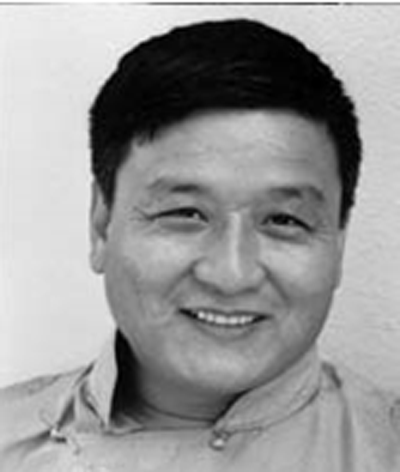 QUESTION: Sound is important in the world's spiritual traditions and is central to many Tibetan healing and spiritual practices. It seems that sound affects us on all levels-physical, mental, and spiritual. TENZIN WANGYAL RINPOCHE: Yes, there are different levels of sound practice. Ancient Tibetan yogis who lived in the wilderness far from medical care used


