A Series of Articles on Ngöndro
3. The Nyingma Traditiona
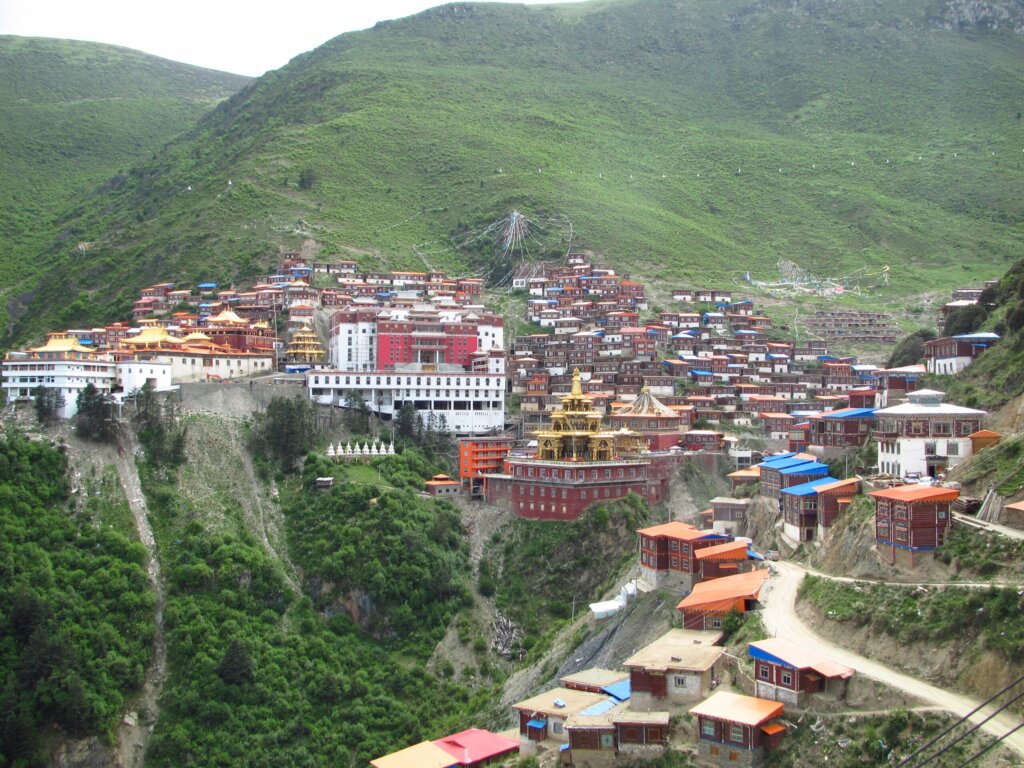
The Nyingma tradition is known for its six great monasteries (Katok, Dorje Drak, Palyul, Dzogchen, Mindroling, and Shechen but also of course Samye) but it has always been a very decentralized tradition, There was no head of the Nyingma tradition until the Dalai Lama appointed Dudjom Rinpoche to take on that role to help the many lineages within the umbrella of the Nyingma tradition survive and thrive in exile, which he accomplished with incredible success.
There are many texts and lineages of ngöndro, and most of those available in English and not in the Longchen Nyingtik and Dudjom Tersar lineages are included below.

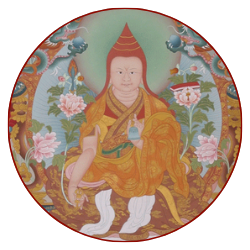
Jamgön Mipham
At about the same time Patrul Rinpoche reinvigorated the study of ngöndro with The Words of My Perfect Teacher, Mipham also composed a ngöndro practice. This is taught and practiced in some communities, such as Orgyen Chowang Rinpoche's Pristine Mind Foundation.
A translation of Mipham Rinpoche's ngöndro, Illuminating the Path to Liberation, is available on Lotsawa House.
In Lion of Speech: The Life of Mipham Rinpoche, Dilgo Khyentse Rinpoche shares this about Mipham's teaching of his ngöndro:
"he also gave instructions on the preliminary practices and trainings of the mind—over a period of at least six years at Karmo Taktsang to Konchok Wangdar, Rigdzin, and five other disciples from Gonjo, and over a period of four years to Jamyang and some other disciples from the local area. These teachings he bestowed in the form of maturing instructions coordinated with the practice itself; and many of his students achieved decisive experience in the main practice of the Great Perfection."
It is also the basis for Shechen Gyaltsap's Chariot to Freedom. More on that below.


$34.95 - Paperback
Chariot to Freedom: Guidance from the Great Masters on the Vajrayāna Preliminary Practices
By Shechen Gyaltsap Gyurmé Pema Namgyal
Shechen Gyaltsap's classic text is one of the most extensive, remarkable, and universal works on ngöndro there is. Here is what Tulku Pema Wangyal Rinpoche says of Dilgo Khyentse Rinpoche's relationship with this text:
"The text is taken from the writings of Shechen Gyaltsap Rinpoche, which in total amount to over twenty volumes. Among all of them, it was this particular volume, containing the text of the Namdrol Shingta (A Chariot to Freedom), that was Kyabje Dilgo Khyentse Rinpoche’s favorite. Whenever he taught, there would always be some trace of this book in what he said. This is why, when we read or study this book, we can be reminded of the atmosphere of Dilgo Khyentse Rinpoche’s teachings.
With the Cultural Revolution, this book became exceedingly rare, and then, like many other texts, was thought to have been lost. Nobody knew that one copy had in fact been preserved in a cave. This copy was finally brought to Dilgo Khyentse Rinpoche, who became so happy—just having the book brought into his presence moved him so much that tears of joy came to his eyes. From then on, until further copies of the book were printed, he would always keep it close to him; he cherished it so much. He used to say that if one has the fortune to study this book, it is really like studying the Buddha’s teachings in their entirety."
And here is translator Stephen Gethin of the Padmakara Translation Group discussing this text:

$39.95 - Hardcover
Sky Dharma: The Foundations of the Namchö Treasure Teachings
By Karma Chagme and Rigdzin Kunzang Sherab
The first part of this book is Karma Chagme's account of the life of Terton Mingur Dorje, who at the age of thirteen revealed the incredible Namchö, or Sky Dharma, cycle of teachings. This is the main lineage practiced in the Palyul lineage by the late Penor Rinpoche and the community at the great Namdroling monastery, and it also forms an important part of Kongtrul's Rinchen Terdzöd, so it has been transmitted to many in the Nyingma tradition. Namchö practices are also incorporated into the Kagyu tradition.
The second part of the book is a commentary on the ngöndro from the Namchö terma cycle by Terton Mingyur Dorje's disciple and lineage holder, Rigdzin Kunzang Sherab. This ngöndro commentary was perhaps the main ngöndro commentary studied until Patrul Rinpoche's appeared two centuries later.
The translators relate this about where these teachings came from:
"Avalokiteshvara, the Great Compassionate One, himself taught the vajra verses of the Namchö Ngöndro to Tertön Migyur Dorje. In addition, he personally guided the tertön by explaining the instructions and the visualizations. This advice is known as the “short” commentary to the ngöndro. Avalokiteshvara’s own words feature prominently in both the extensive commentary that Karma Chagme wrote and in Kunzang Sherab’s middle-length version."
The field of refuge is complex, and has Samantabhadra and Samantabhadri at the center with Shakyamuni, Guru Rinpoche and many others surrounding them.
This is an extremely engaging commentary and anyone engaged n the preliminary practices will benefit from reading it.
$39.95 - Hardcover
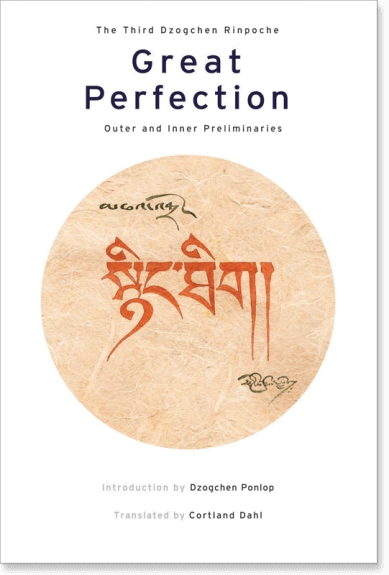
Great Perfection: Volume I: The Inner and Outer Preliminaries
This two-volume work, The Excellent Chariot by the Third Dzogchen Rinpoche, Ngetön Tenzin Zangpo, is a commentary on the ngöndro for the Dzogchen of the Khandro Nyingtik or Heart Essence of the Dakinis. This cycle was transmitted by Padmasambhava to Princess Pemasel. It was later revealed by her reincarnation, Pema Ledrel Tsel, and then descended to the omniscient Longchenpa.
Rather than presenting the outer and inner preliminary practices in a sequential manner, as is usually the case, the author pairs them together. The rarity of the freedoms and endowments is paired with refuge, impermanence with bodhichitta, karma with the three vows, the faults of samsara with Vajrasattva practice, the benefits of liberation with the mandala offering, and faith and devotion with guru yoga.
Note that the second volume is only available from shambhala.com, Garuda Books in Europe and Watkins in the UK.

$21.95 - Paperback
Practice of Padmasambhava: Essential Instructions on the Path to Awakening
This work comprises two important commentaries on the practice of Padmasambhava according to Chokgyur Lingpa’s treasure, Accomplishing the Guru’s Mind: Dispeller of All Obstacles. The first, Divine Flower by Shechen Gyaltsap Pema Namgyal skillfully guides practitioners through the preliminaries and the main part of practice according to the general principles of Accomplishing the Guru’s Mind.
The Guru Yoga section in particular is unique, with explanations of mantra recitation corresponding to enlightened speech, the three kayas, the combined accomplishment, and the activity application.

$29.95 - Paperback
Art of Awakening: A User’s Guide to Tibetan Buddhist Art and Practice
The Art of Awakening by the late Konchog Lhadrepa is an astonishing work on Buddhist art by a master artist. It contains extensive teachings on ngöndro, as creating Buddhist art in all its forms also requires the artist to engage in the preliminary practices as well.
See also our set of articles related to the Art of Awakening:
Topics for these short excerpts and articles include:
Here is a short film about the Shechen art school, which the author Konchog Lhadrepa ran:

$21.95 - Paperback
The Excellent Path to Enlightenment: Oral Teachings on the Root Text of Jamyang Khyentse Wangpo
Dilgo Khyentse often used the writings of his own teachers, their teachers, or their previous incarnations as the basis of his teachings.
In The Excellent Path to Enlightenment, Rinpoche gives a commentary on a short ngöndro practice composed by the great treasure revealer and master Jamyang Khyentse Wangpo, the previous incarnation of his own teacher, Jamyang Khyentse Chokyi Lodro.
This also has a chapter on the Three Supreme Methods, which begins with this:
"The framework which gives this practice—as well as any other practice or activity we undertake—its strength, is that of the “three supreme methods”: the preparation, in which we generate bodhichitta, the wish to act and practice for the sake of all beings; the actual practice, during which we remain free of distractions, clinging and concepts; and the conclusion, in which we dedicate the merit for the sake of all beings. These three methods must be applied to any kind of practice, whether generation phase, perfection phase, Great Seal, Great Middle Way, or Great Perfection. Without these three supreme methods, there is no point in doing any practice."
There are other Nyingma ngondros as well including those of Könchok Chidü , and Rangjung Pema Nyingthig, but we are unaware of any English publications widely available for them.
Next, we take a look at some ngöndro resources for the Kagyu tradition.