
-
The Works of Karl Brunnhölzl: A Guide for Readers
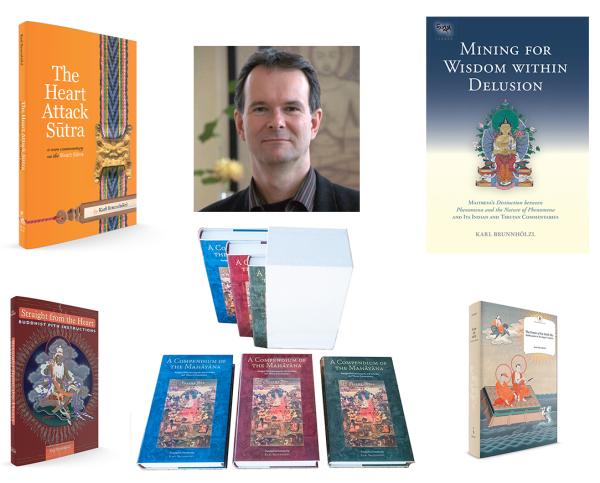 The Works of Karl Brunnhölzl: A Guide for Readers This guide for readers is dedicated to the works of author, translator, and teacher, Karl Brunnhölzl. Originally trained as a physician, Karl Brunnhölzl later studied Tibetan language and Buddhist philosophy at the Marpa Institute for Translators and later the Nitartha Institute. Since 1989 he has been
 -
Shechen Gyaltsap: A Guide for Readers
 Shechen Gyaltsap See Our Reader's Guide Shechen Gyaltsap (1871-1926) was the disciple and heart-son of Mipham Rinpoche, one of the most prominent Nyingma scholars of the late 19th and early 20th century See Also: The Nyingma School | Longchen Nyingtik | Namcho & Palyul | Dudjom Tersar Associated Reader Guides: Dudjom Rinpoche | Jigme Lingpa
 -
Matthew Kapstein on Dam Ngak (special instruction) based on the Treasury of Precious Instructions
 The Treasury of Precious Instructions Learn More The eighteen volumes of the Treasury of Precious Instructions or Dam-ngak Rinpoché Dzö by Jamgön Kongtrul Lodrö Taye, one of Tibet’s greatest Buddhist masters, is a shining jewel of Tibetan literature Palpung Monastery, Tibet Explore the Treasury of Precious Instructions Home Page of the Treasury History of the
 -
Chanting the Names of Manjushri: A Reader's Guide
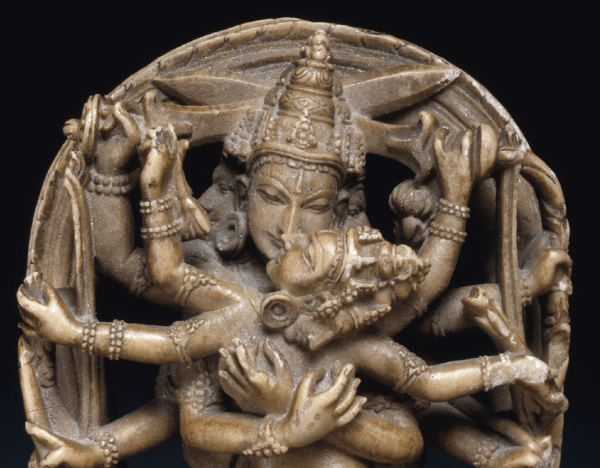 The Litany of the Names of Manjushri or Chanting the Names of Manjusri (’jam dpal mtshan brjod; Skt. Manjushrinamasamghiti) and also referred to as The King of All Tantras and Net of Magical Manifestation of Manjushri, is an extremely important tantric text, relied on by all the schools of Tibetan Buddhism. In particular it is
 -
Patrul Rinpoche: A Reader's Guide
 Patrul Rinpoche See Our Reader's Guide Patrul Rinpoche (1808–1887) was one of the greatest Tibetan teachers of the nineteenth century. Famous for his precise and direct style, he shunned high monastic office and lived the life of a homeless wanderer, writing his book in a rustic hermitage under an overhanging rock. Praise to Patrul Rinpoche
 -
On Cynicism and Doubt in the Tibetan Tradition
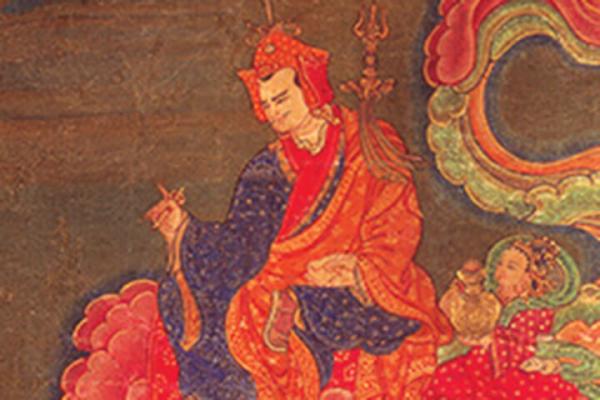 The paragraphs below come from the foreword of Mipham Rinpoche's White Lotus: An Explanation of the Seven-Line Prayer to Guru Padmasambhava. These words were penned by Wulstan Fletcher of the Padmakara Translation Group and we suspect many will resonate with his articulate and constructive advice on how to deal with our own tendencies to be cynical, reinterpret,
 -
The Importance of the Ornament of Mahayana Sutras
 One of the Five Maitreya Treatises—the five texts imparted to Asanga by the bodhisattva Maitreya—the Ornament of the Mahayana Sutras (in Sankrit the Mahayanasutralamkara, often shortened to Sutralamkara) presents explanations of bodhisattva motivation, meditation, conduct, and fruition as expounded in the Mahayana sutras as well as demonstrating the superiority of the Mahayana. In English, the
 -
Tsongkhapa: A Guide to His Life and Works
 Tsongkhapa A Guide to His Works Related Topics Profiles of early Indian Mahayana figures | Lives of the Masters Series | Atisha | Aryadeva The Kadam Tradition | The Gelug Tradition | Madhyamaka Milarepa | His Holiness the Dalai Lama Tsongkhapa Lobsang Drakpa (1357-1419) Tsongkhapa., from the cover of The Great Exposition of Secret Mantra (Essen Collection)
 -
The Emphasis of the Gelug Tradition in Western Scholarship on Madhyamaka
 While its no longer true in many universities, the presentation of Tibetan Buddhism in western academia—and the books that came out of it—was heavily skewed towards the Gelug philosophical view and its traditions. There are various reasons for this, but the following from the Translator's Introduction of the Padmakara Translation Group's The Wisdom Chapter: Jamgön


Page
- Page Previous
- Page 1
- You're currently reading page 2
- Page 3
- Page Next