The following is an excerpt from Training in Compassion: Zen Teachings on the Practice of Lojong By Norman Fischer It is quite counter-intuitive, quite upside down. What it is saying is: whatever happens, don't ever blame anyone or anything else, always blame only yourself. Eat the blame and it will make you strong. There's another
Shambhala: How did you first encounter Zen, and what was your introduction to practice like? Norman Fischer: I got involved at first through reading-reading and thinking about my life. This was in the very early days, when there were no Zen centers or practice centers of any kind (at least that I was aware of)
Shambhala: Can you tell us something about your background-how you encountered the Buddhadharma? Guo Gu: I first learned meditation when I was in Taiwan at age four. A meditation master named Guangqin taught me how to sit in meditation, and I thought it was fun to copy what he was doing. Later, my family immigrated
Shambhala: How long have you known Kaz? Roshi Joan: I met Kaz in the mid 1980s when we invited him and other artists to the Ojai Foundation with Thich Nhat Hanh. I felt an instant connection with him, and since that time we have collaborated on many projects and have become good friends and allies
Shambhala: Your teacher Shunryu Suzuki's Zen Mind, Beginner's Mind has now been in print for more than forty years, and is still often recommended as the best first book to read about Zen practice. Why do you think its popularity has endured throughout the explosion of Buddhist publishing the last few years? David Chadwick: Hard
Senior editor Dave O'Neal took a look back at the entire Shambhala catalog and came up with this list of his top ten titles. Zen Mind, Beginner's Mind Shunryu Suzuki Still the best first book on Zen practice and why you'd want to do it. There are so many other wonderful books on Zen
Gardens can be so much more than merely pleasing to the eye; they can also evoke a contemplative state of mind, connecting us more fully to ourselves and to the world around us. In Landscape as Spirit, Martin Mosko explains his meditative approach to garden and landscape design and then walks us through five of

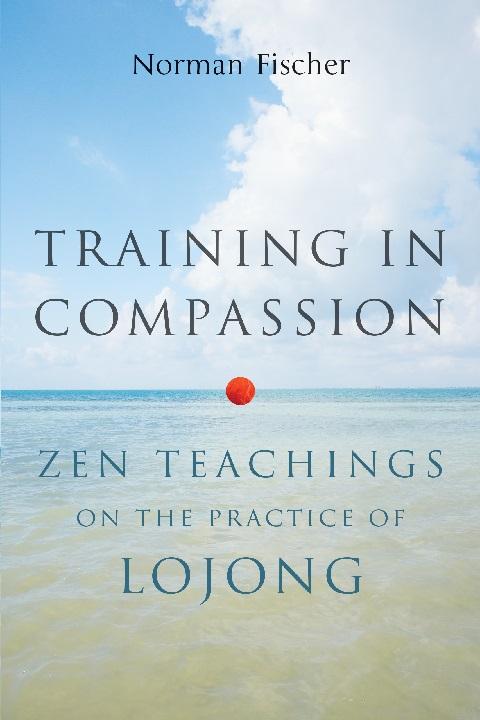 The following is an excerpt from Training in Compassion: Zen Teachings on the Practice of Lojong By Norman Fischer It is quite counter-intuitive, quite upside down. What it is saying is: whatever happens, don't ever blame anyone or anything else, always blame only yourself. Eat the blame and it will make you strong. There's another
 Shambhala: How did you first encounter Zen, and what was your introduction to practice like? Norman Fischer: I got involved at first through reading-reading and thinking about my life. This was in the very early days, when there were no Zen centers or practice centers of any kind (at least that I was aware of)
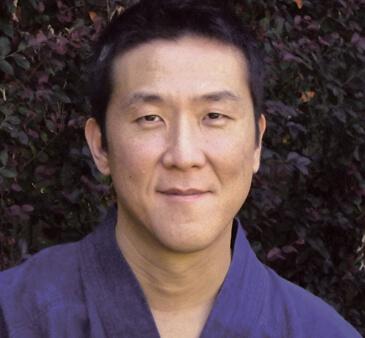 Shambhala: Can you tell us something about your background-how you encountered the Buddhadharma? Guo Gu: I first learned meditation when I was in Taiwan at age four. A meditation master named Guangqin taught me how to sit in meditation, and I thought it was fun to copy what he was doing. Later, my family immigrated
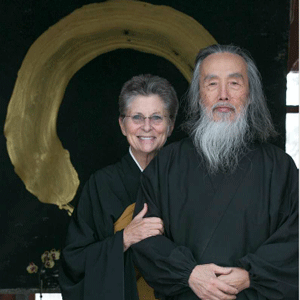 Shambhala: How long have you known Kaz? Roshi Joan: I met Kaz in the mid 1980s when we invited him and other artists to the Ojai Foundation with Thich Nhat Hanh. I felt an instant connection with him, and since that time we have collaborated on many projects and have become good friends and allies
 Shambhala: Your teacher Shunryu Suzuki's Zen Mind, Beginner's Mind has now been in print for more than forty years, and is still often recommended as the best first book to read about Zen practice. Why do you think its popularity has endured throughout the explosion of Buddhist publishing the last few years? David Chadwick: Hard
 Senior editor Dave O'Neal took a look back at the entire Shambhala catalog and came up with this list of his top ten titles. Zen Mind, Beginner's Mind Shunryu Suzuki Still the best first book on Zen practice and why you'd want to do it. There are so many other wonderful books on Zen
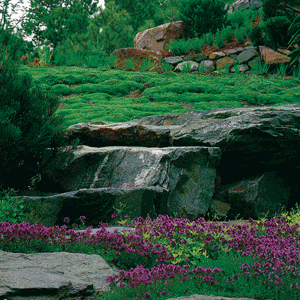 Gardens can be so much more than merely pleasing to the eye; they can also evoke a contemplative state of mind, connecting us more fully to ourselves and to the world around us. In Landscape as Spirit, Martin Mosko explains his meditative approach to garden and landscape design and then walks us through five of
