
-
Buddhist Poetry - A Reader Guide
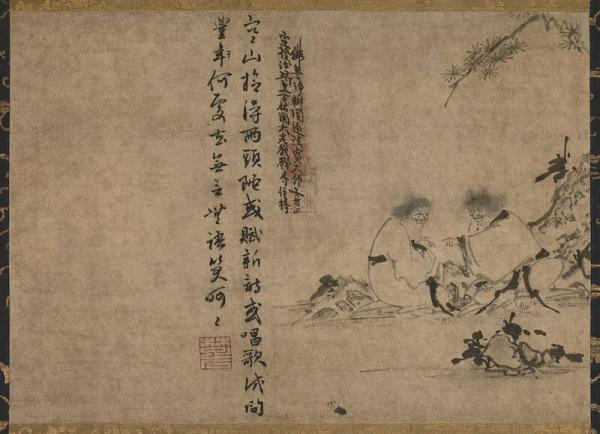 Buddhist Poetry: A Reader Guide Read More Shambhala Publications publishes numerous books of Buddhist poetry, and we’ve gathered some of our favorites here. Jump to sections on this page: Recent Releases | Chan and Zen Poetry | Indian Poetry | Tibetan Poetry | Southeast Asian Poetry | Contemporary Buddhist Poetry Related Books and Articles Recent
 -
Being Human | An Excerpt from Zen in the Age of Anxiety
 Wisdom for Navigating Our Modern Lives I can’t get no satisfaction ’Cause I try and I try and I try and I try I can’t get no, I can’t get no Satisfaction (I Can't Get No) Satisfaction The Rolling Stones’s first big hit in the United States was “(I Can’t Get No) Satisfaction” and is
 -
The Approach and Intent of Zen | An Excerpt from The Rinzai Zen Way
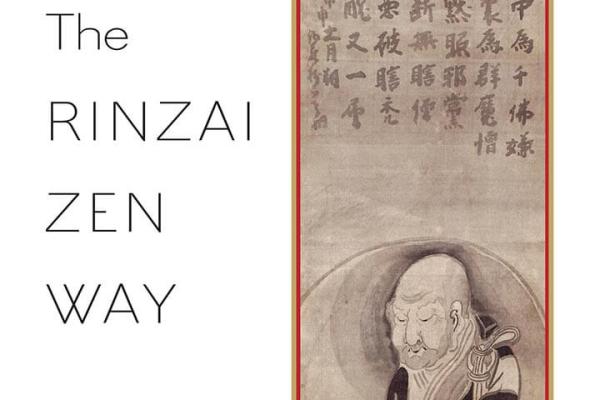 Understanding the Rinzai Zen Way Studying Zen, one rides all vehicles of Buddhism; practicing Zen, one attains awakening in a single lifetime. —Eisai [From a teisho given in February 2012] In speaking with many beginning Zen students, it seems apparent that although they may be familiar with some of the methods of Zen practice,
 -
Book Club Discussion | Zen Mind, Beginner's Mind
 Each month, the Shambhala employees gather to discuss a new book as part of our Shambhala Publications Book Club. After each meeting, we will be sharing the notes from our discussion with you to spark your own thoughts and conversations. Our October pick was Zen Mind, Beginner’s Mind: Informal Talks on Zen Meditation and Practice by
 -
Talking with Jan Chozen Bays About Mindful Eating
 Food: A Way to Contentedness and Connection An interview on the publication of the expanded edition of her book Mindful Eating: A Guide to Rediscovering a Healthy and Joyful Relationship with Food By Dave O'Neal Shambhala: What, in a nutshell, is “mindful eating”? Jan Chozen Bays: Mindful eating is deliberately paying full attention to what you are eating
 -
A Walk with Dogen into Our Time
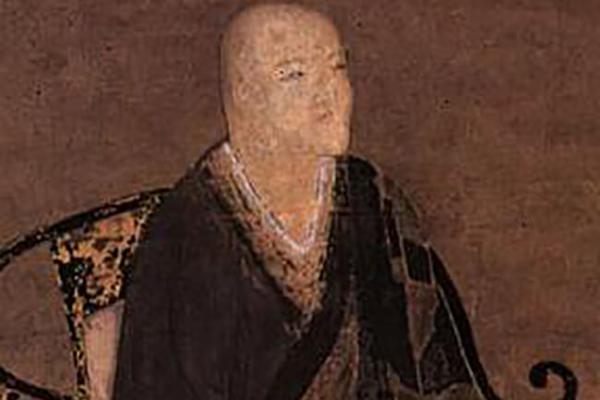
In 1954 poet Allen Ginsberg wrote a poem called “Song” that acknowledges the weight of our human circumstance and suffering in a particular and somewhat unusual way. I believe it may also provide a gateway to the following writings by Zen master Eihei Dogen, who addressed the nature of reality as he came to understand the world of people and things through his lifetime practice of Zen.
-
Haiku: A Reader’s Guide
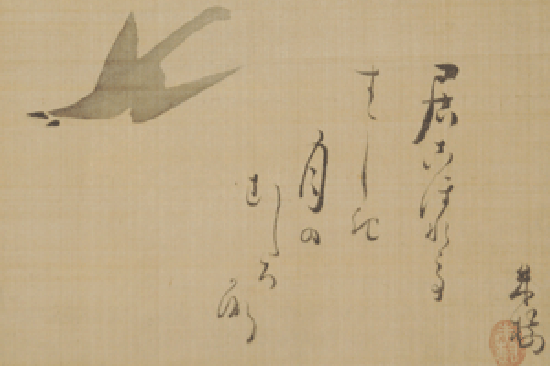 Also see our Reader's Guide to Buddhist Poetry. Many know haiku as a three-line poem, the first and last lines five syllables long, and the second line, seven. But there is much more to what defines haiku, elements more subtle than prescribed syllable counts or line breaks. In fact, Japanese haiku are typically written in
 -
Samurai and Japanese Culture Reader’s Guide: The Works of Master Translator and Author William Scott Wilson
 One of the greatest joys for me as an editor at Shambhala Publications is when I work on books by people I have long admired. This was most definitely the case when Shambhala had the good fortune to become William Scott Wilson’s publisher several years ago. I first encountered his work when I was a
 -
Samurai Wisdom Stories: The Archery Contest
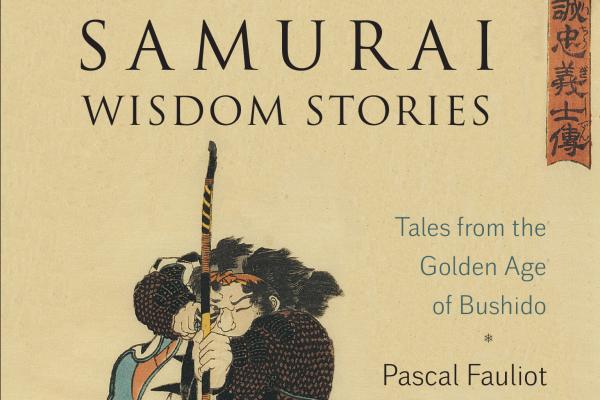 With the introduction of firearms, the art of bow shooting was in danger of disappearing. However, this art was one of the principal disciplines of bushido, the Way of the Samurai. As a means of keeping this tradition alive, the annual Toshiya archery contest was instituted. The site of the contest was a temple in
 -
Mad Monk: An Excerpt from Zen Confidential
 A lot of pissed-off people wind up at our monastery. This place has a tractor beam like the Death Star's in Star Wars that pulls in anyone within a thousand-mile radius with a four-letter word on the tip of his or her tongue. Her marriage tanked; he's got an itch in his brain he just


